

Fashion For Democracy: Design for Better Lives – AGORA & Gathering 12.12.2025
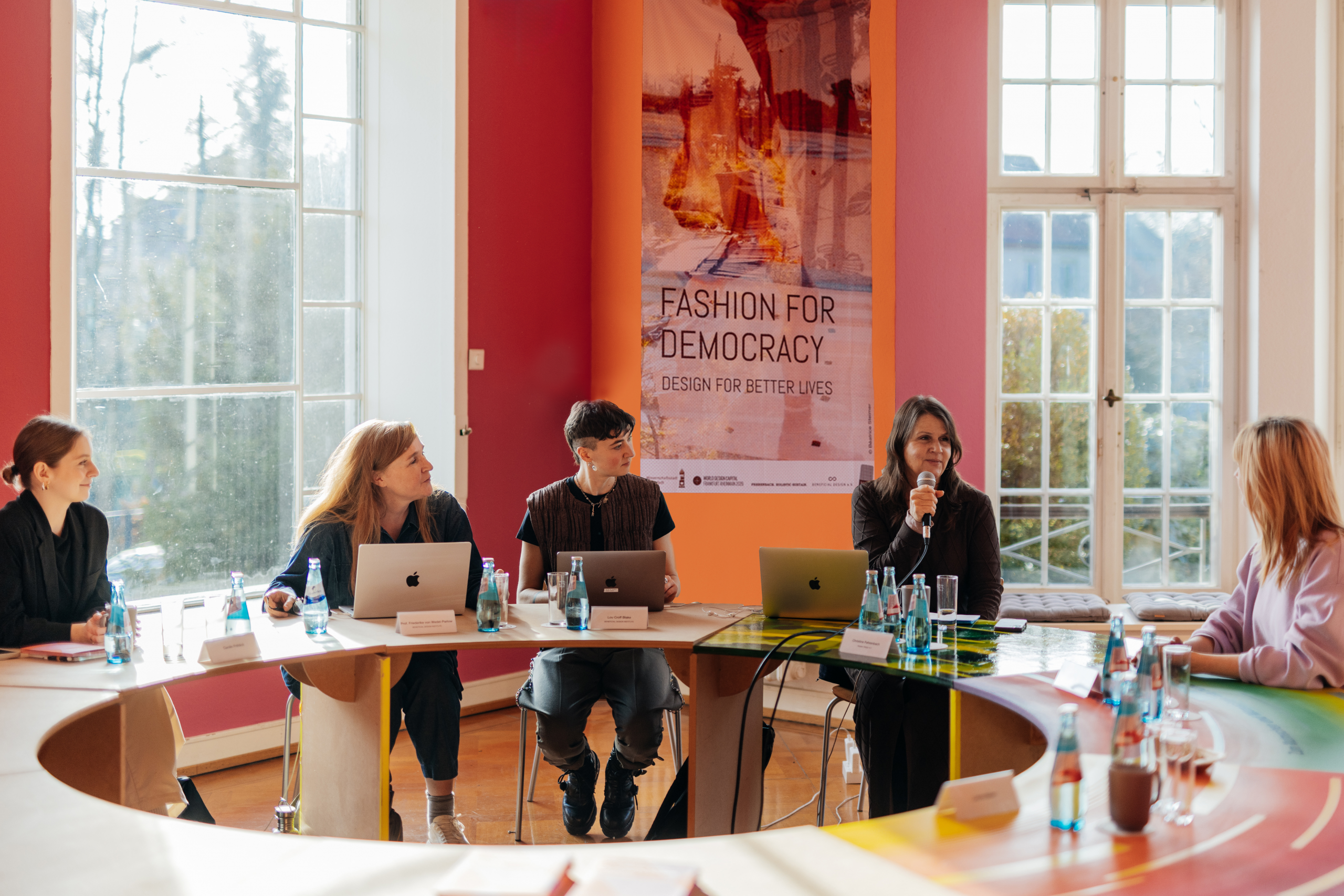
Fashion For Democracy: Design for Better Lives – AGORA & Gathering 12.12.2025
Fashion For Democracy: Design for Better Lives
Fashion can be a driver for positive change in almost any imaginable area – as well as for enhancing the spread of democratic values and practices. Our collaboration project Fashion For Democracy: Design for Better Lives investigates this specific area of transformation, uniting voices from around the globe. It is an official part of the World Design Capital® 2026, which presents a year-long program of events in the Frankfurt Main-Rhein region under the theme Design For Democracy: Atmospheres for Better Life. In this context, we highlight fashion’s unique cultural impact, alongside its systemic challenges. We invite our brilliant, diverse community into the conversation on how fashion might be a powerful agent of democracy.
AGORA und Gathering, live im Designhaus (Darmstadt) und weltweit online.
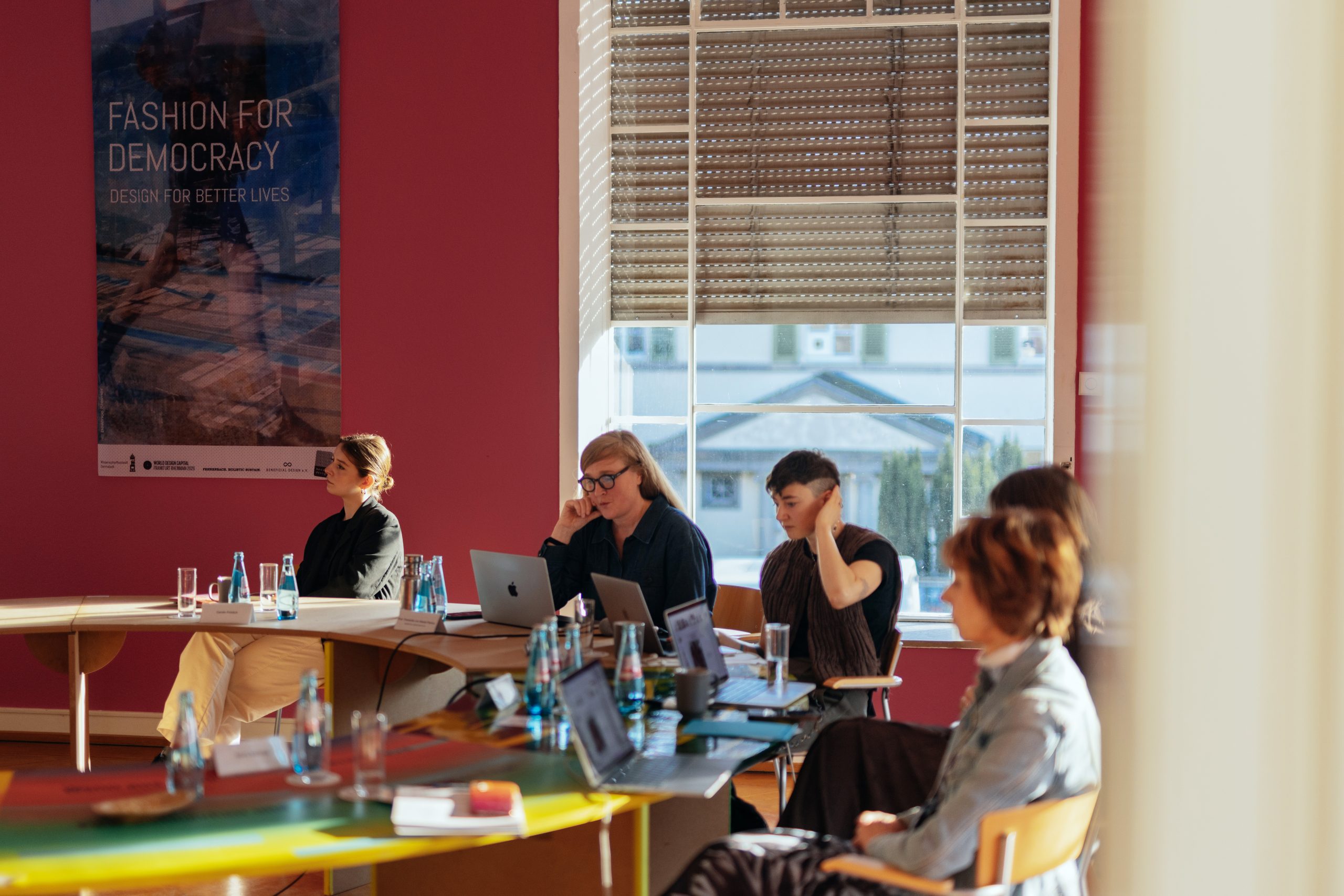
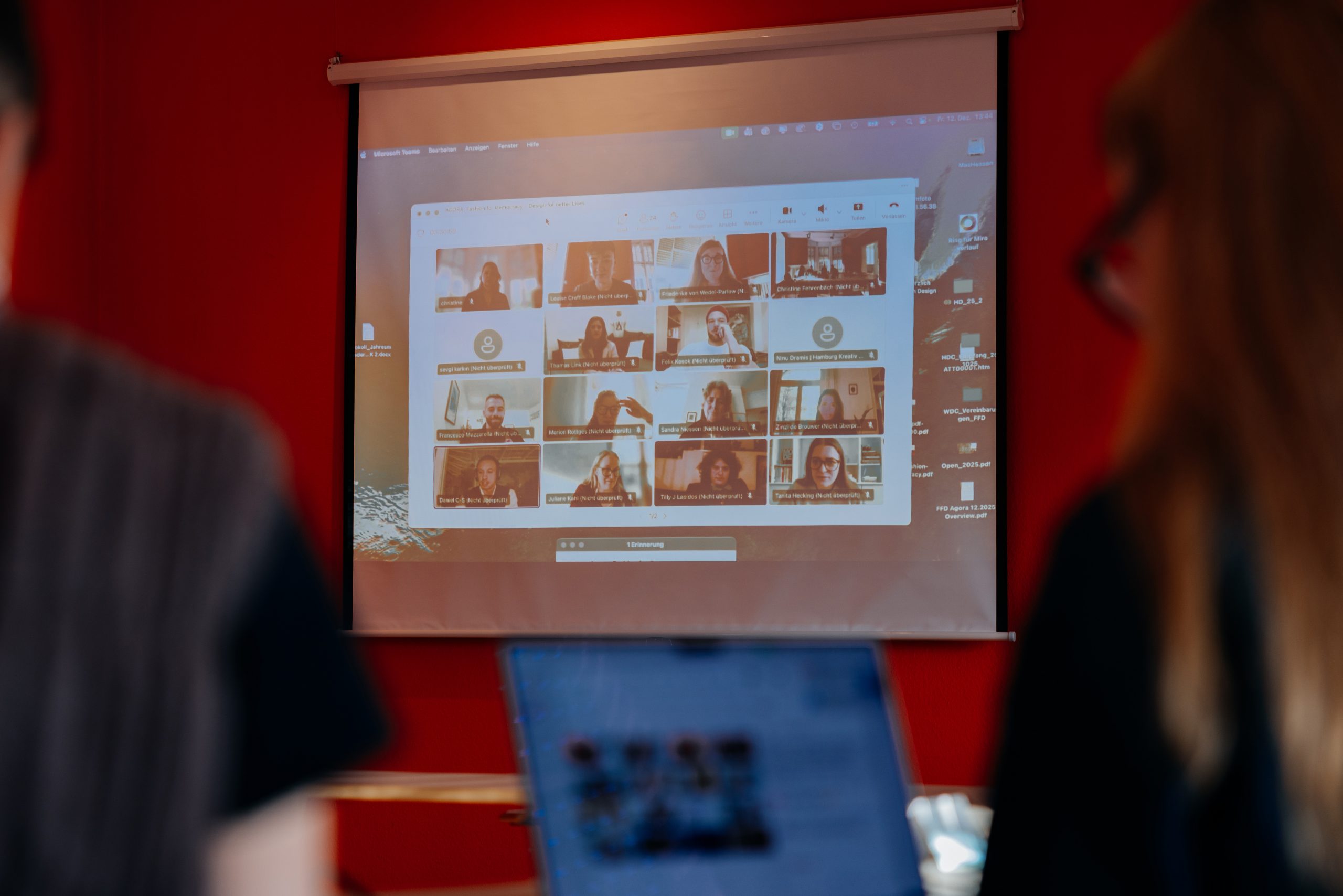
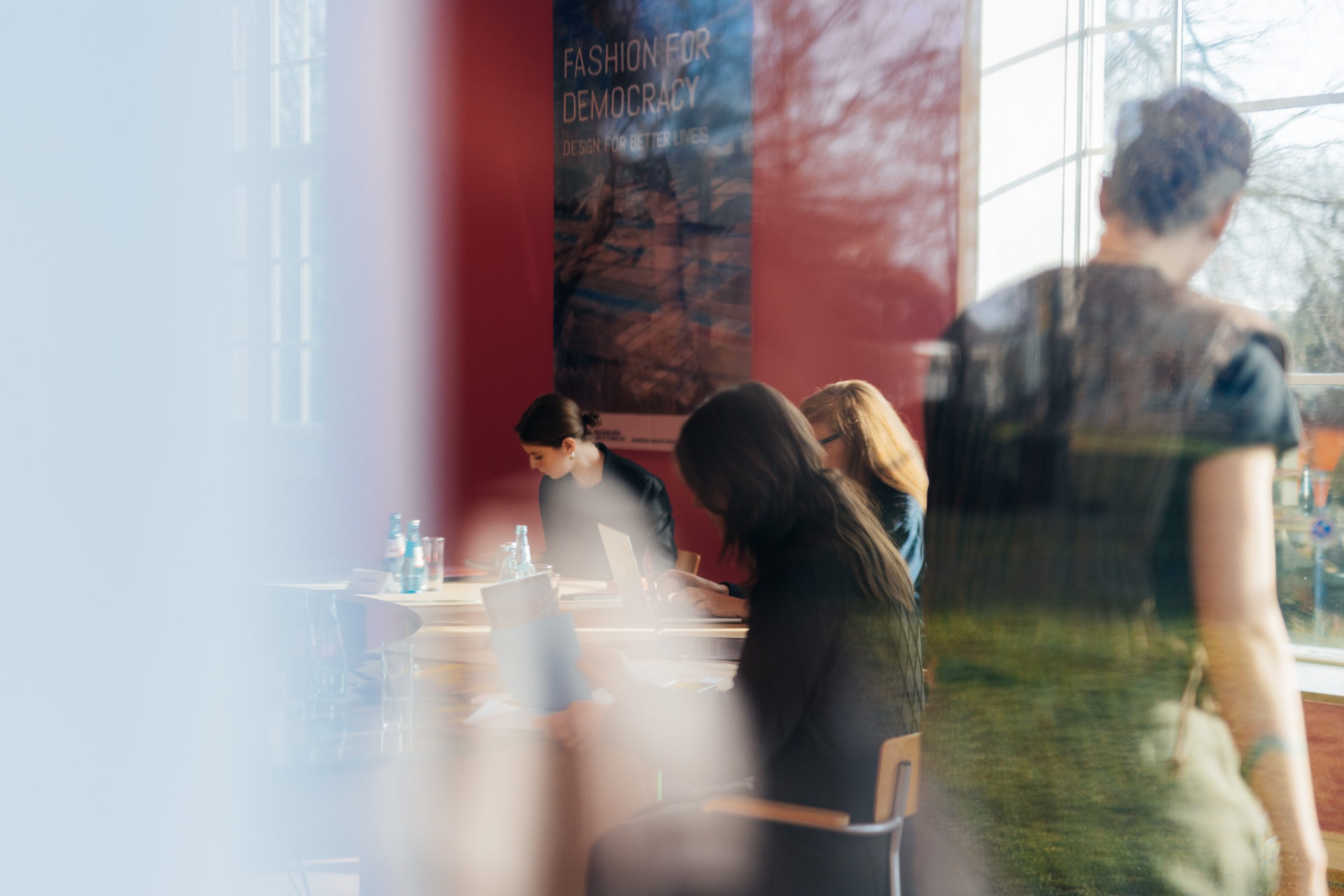
The Fashion For Democracy team hosted our first AGORA event on 12 December, 2025 at the historic Designhaus in Darmstadt, funded by Wissenschaftstadt Darmstadt. With project partner Hessen Design e.V. and Fehrenbach. Holistic Sustain, we welcomed two dozen international guests in a hybrid discussion and workshop, addressing core questions on fashion’s potential as an agent of democracy.
The AGORA’s key focus was on alternative fashion practices and systems. We define these ‘alternatives’ to mass fashion as the projects and initiatives (such as organizations, networks, and small businesses) that operate on grass-roots levels. They offer alternatives to civil society for how fashion can be experienced and wielded. These may include a broad range of formats, such as ethical, sustainable small brands, heritage craft projects, repair cafés, academic researchers, activist networks, NGO’s, political lobbies, and more. We investigate the extent to which alternative fashion may be situated within core principles of democracy, where decision-making and power structures might offer all involved a fair, equal stake and voice. Additionally, we posit that these alternatives must recognize their positioning and privilege regarding the global landscape of fashion.
Programm: Referenten, Workshop und Diskussion
The afternoon kicked off with welcoming words from the Fashion For Democracy organizers Christine FehrenbachHessen Design e.V) und Prof. Friederike von Wedel-Parlow (Beneficial Design e.V.). The organizers expressed great excitement and gratitude for the attendance of those who joined for this seminal community gathering. After the welcome, participants each had a moment to introduce themselves, revealing the rich diversity of background and experience within the small group.
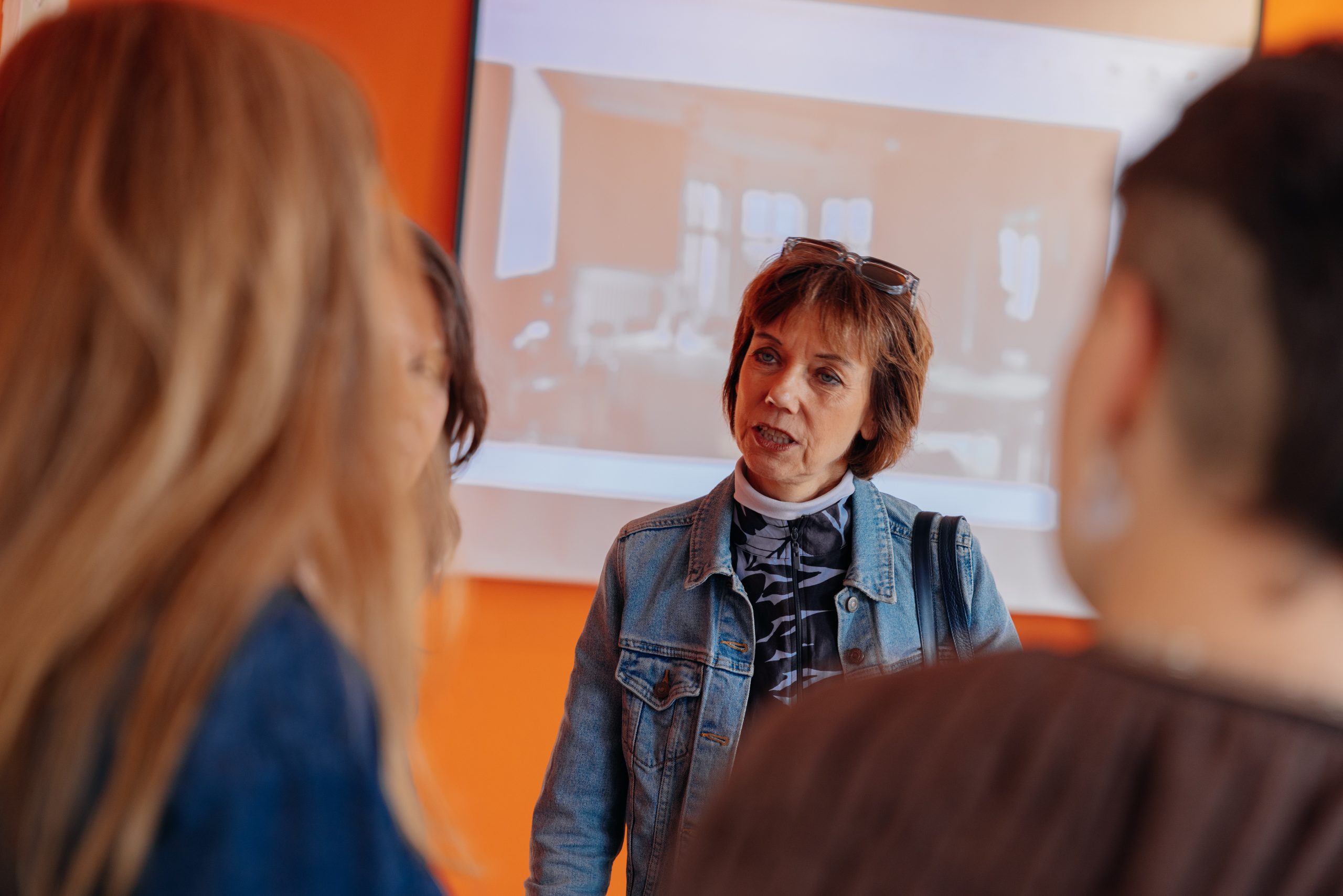
We received deeply inspiring impulse presentations from Felix Kosok (World Design Capital®), Dr. Francesco Mazzarella (London College of Fashion, UAL) und Zinzi de Brouwer (Studio PalhaEach guest speaker framed democracy and alternative practice in specific fashion contexts, ranging from design activism and semiotics, to community-led projects, to spreading decolonial ethos through intercultural exchange.
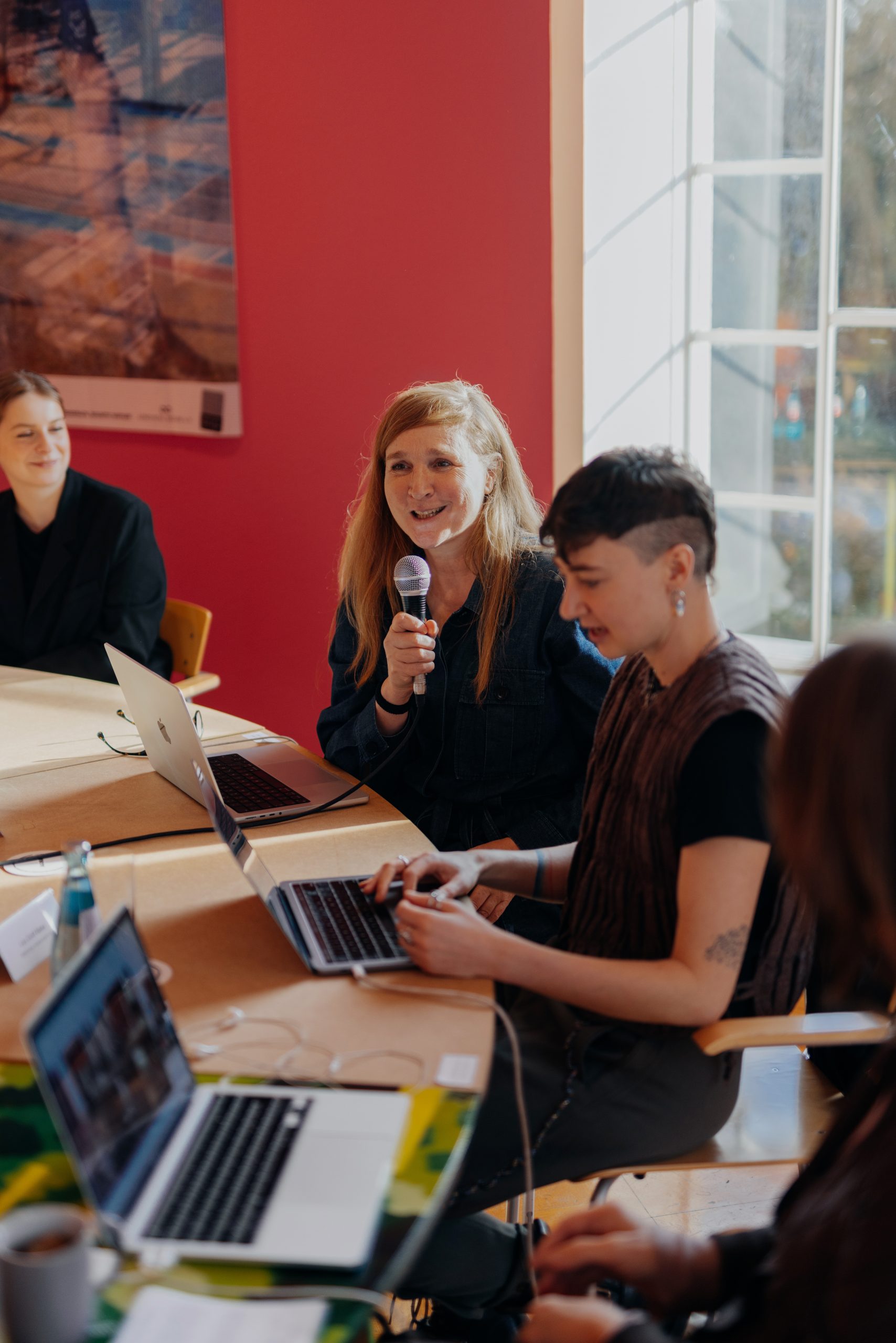
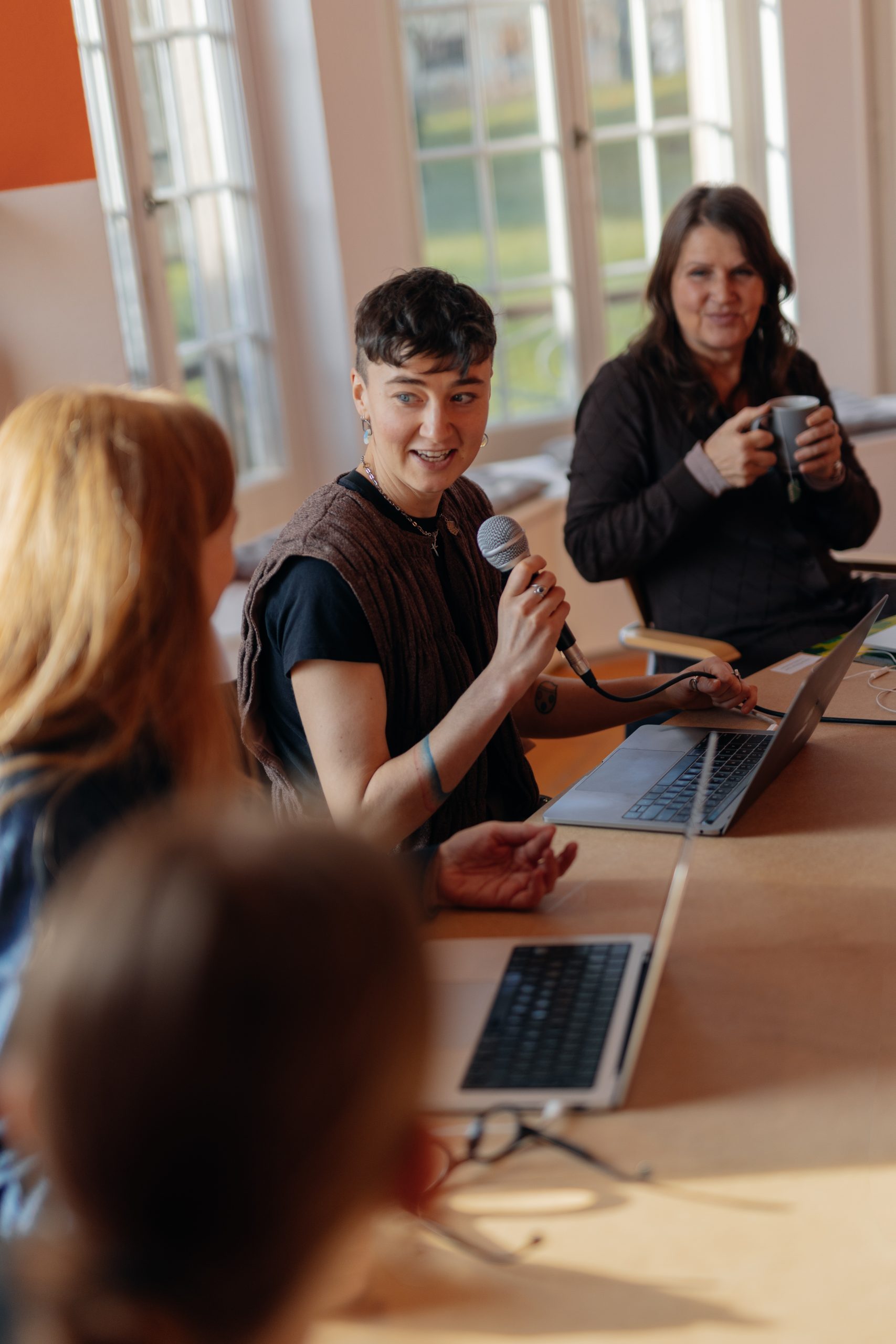
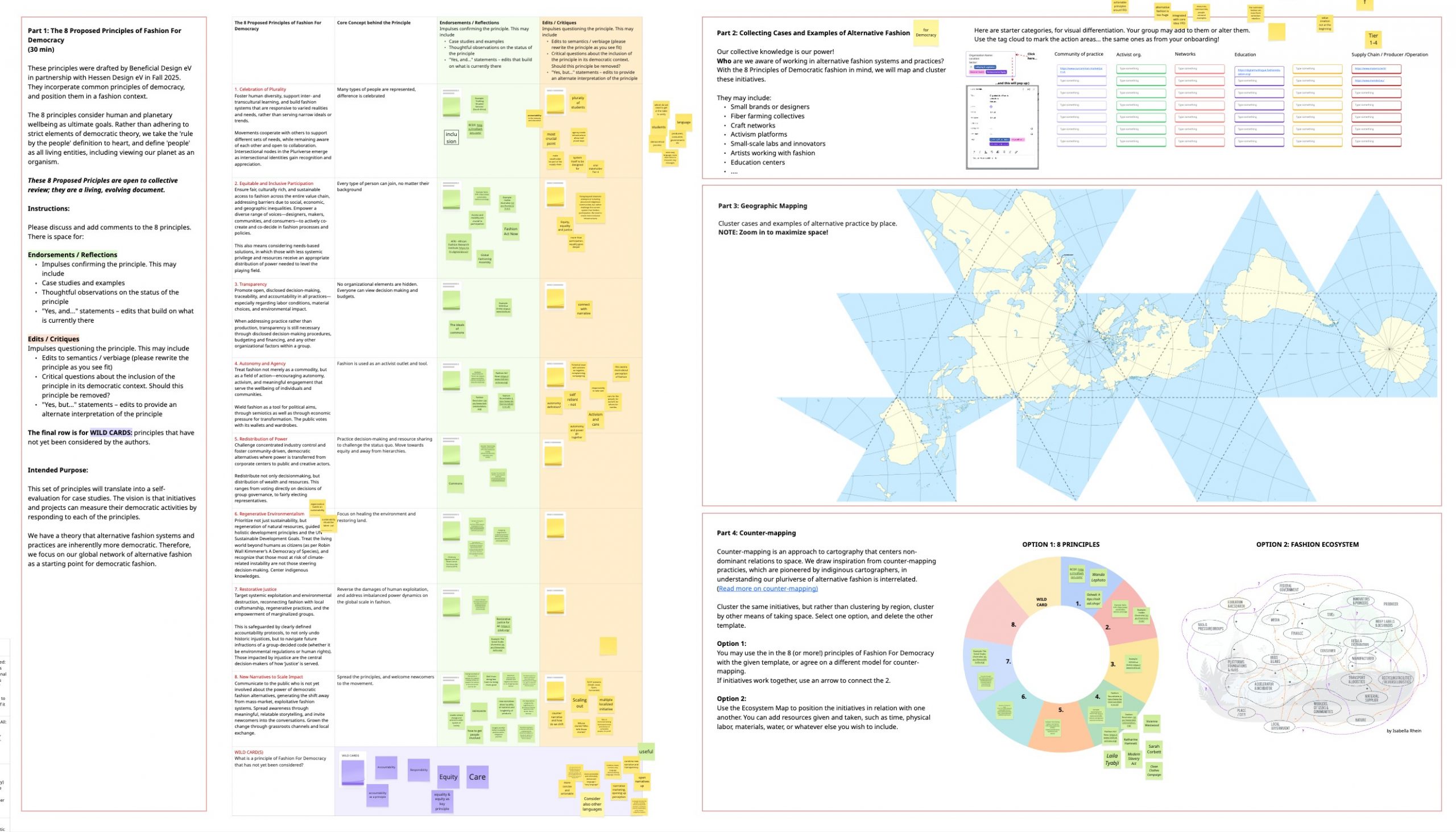
Lou Croff Blake (Beneficial Design e.V.) kicked off the workshop portion of the event, facilitating the group work on a shared Miro Board, where participants were invited into one of two discussion tracks.
The first track addressed the theme “Principles and Practices,” leading with a peer review exercise of the 8 Proposed Principles of Fashion For Democracy. These principles function as continually-evolving guidelines for working democratically in any fashion-related project or community. The review of the principles was followed by a group mapping exercise, which consisted of sharing and clustering alternative fashion projects and initiatives on a global scale. In addition to geographic mapping, participants rearranged the same projects and initiatives in a ‘counter-mapping’ exercise – organizing them by relation to one another, closing the physical distance between.
The second track focused on “Power and Pathways.” Groups began with an exercise to brainstorm resource redistribution, bringing materials, tools, spaces, and power from those who have surplus – in particular, from the mainstream fashion system – and delivering the resources to those who are working on the margins who could benefit. This rapid-fire brainstorming led to a second similar exercise, which flipped the equation in reverse: what would a future look like which alternative fashion is the norm and is well-resourced, with those at the margins having what they need? Tracing steps backwards, what would need to happen in order for us to arrive at such a future?
At the end of a rigorous hour of breakout sessions, participants reconvened to share their findings with the full group. With this extensive fresh input, a lively and thoughtful discussion finished the afternoon with equal measures of optimism, inspiration, and bold confrontation of fashion’s current social and environmental challenges.
Looking Ahead: Fashion for Democracy in 2026
The AGORA set the tone for a year of Fashion For Democracy – with a strong angle on human and ecological justice, an experience of immersive participation, and a strengthened community that spans many intersecting worlds. Fashion For Democracy is planning its next steps for a publication, events both online and in person at the World Design Capital®, and continued online community interaction. In the meantime, you can join our LinkedIn-Gruppe to connect with our community, hear about updates, and share your thoughts on Fashion For Democracy.

Innovative Zero Waste Design: Hellen van Rees
Zero Waste Innovation: Hellen van Rees
Hellen van Rees is a Dutch fashion & textile designer and researcher. With her wearable textile experiments she works between the spheres of fashion, art and science.
With her slow fashion label, she stands for seasonless, handmade, made-to-order design pieces. Through innovative production methods and pattern techniques, Hellen von Rees is able to merge industrial waste into wearable zero waste textiles.
Outfit 1 ‚Zero Waste Dress‘
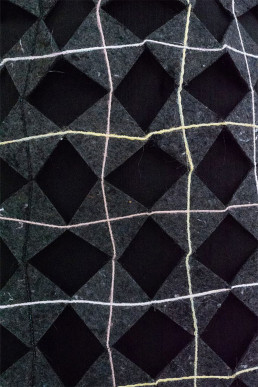
Hand-applied laser cut felt made from recycled post-consumer waste
Organic cotton lining
Hand-knitted collar from industrial production waste
Outfit 2 ‚Zero Waste Rock‘
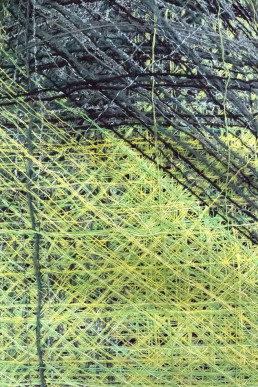
Flexible, hand-made outer fabric made from heat-melted industrial production waste in a characteristic 'tweed' look
Organic cotton lining
Elastic waist band
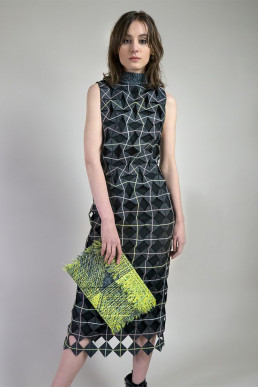

Photos: Hellen van Rees
Uns begegnen stets neue nachhaltige und kreislauffähige Konzepte, die zeigen, wie Qualität, Innovation und Schönheit zu einer umweltfreundlicheren sowie ästhetisch und kulturell reichhaltigeren Mode führen können. Mit “Beneficial Discoveries“ stellen wir daher ausgewählte Modedesigner, Marken und Produkte vor, die erste Ansätze für eine bessere Zukunft liefern. Der Showcase ist eine digitale Weiterführung unserer Ausstellung "How to make fashion of the future environmentally sound", welche Anfang 2020 im Bundesumweltministerium stattgefunden hat.
Quality & Beauty
Quality and beauty are at the heart of our practices.
It is not only a synonym for high-quality and durable materials. Quality also embraces transparency, honesty, and meaningfulness in design and can therefore serve as an indicator of socio-cultural and ecological well-being. A catalyst for positive change inside and outside of our own industry.
That is why quality and beauty are of central importance for us.
Dutch Design Week 2020
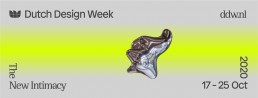
Es ist die Dutch Design Week und wir freuen uns, mit unserem Projekt 'OceanWear' im Rahmen des Worth Partnership Project . The German Ecodesign Award, for which our founder and director Friederike von Wedel-Parlow is a long-standing member of the jury, is also participating with this year's winners.
The Dutch Design Week in Eindhoven is the largest design event in Northern Europe and presents pioneering work from more than 2600 designers. The focus is on the design of the future and the future of design, with the aim to show how designers from all over the world can create a positive future.
This year the #DDW takes place as a Virtual Design Festival. Next to live streams and webinars, projects can be explored through virtual 3D tours.
To the virtual showroom of the Worth Partnership Project.
To the virtual showroom of the German Ecodesign Award.
Circular Laser Line T-Shirt
Circular Laser Line T-Shirt
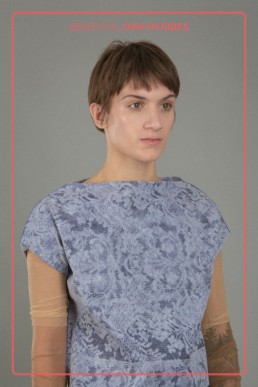
The „Laser Line Mono T-Shirt“ is a fast-forward and circular prototype developed by the Centre for Circular Design, an academic research initiative at the University of Arts London, co-directed by Kate Goldsworthy and Rebecca Early. The project explores how new digital processes can enable circular and responsive manufacturing in the fashion and textile industry.
„The material in this concept has been enhanced through a laser welding finishing process developed by Kate Goldsworthy. Made from commercially available 100% recycled polyester (RPET), the surface material is nonwoven in construction. No additional materials are added during the finishing and construction stages thus preserving recyclability at end of life.
This prototype was designed for a use-phase comparable to a standard fashion top and then returned for full recovery through chemical recycling. The durability of the nonwoven material, as well as the aesthetic quality, is improved through several finishing techniques, which can be digitally engineered and customised for local production close to market. The garment is constructed using ultrasonic seaming technology with flat-bed construction and recyclability is retained through mono-materiality.
There is potential for this fast-forward and circular concept to be scaled up for a mass-market in an industrial context. Local networks of manufacturers will be essential for this vision, from large scale mass-manufacturing plants through to smaller entrepreneurial start- ups. Extended technical understanding within an existing manufacturing landscape presents opportunities for future development of local, fast and circular material and fashion systems.“
– Centre for Circular Design, London
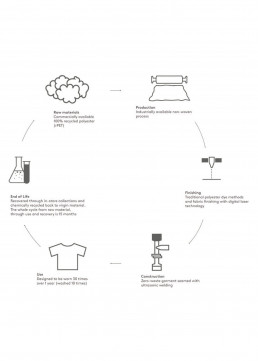
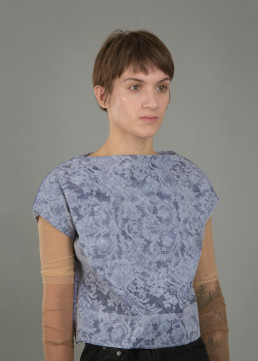
Illustration & Photo: Centre for Circular Design
Uns begegnen stets neue nachhaltige und kreislauffähige Konzepte, die zeigen, wie Qualität, Innovation und Schönheit zu einer umweltfreundlicheren sowie ästhetisch und kulturell reichhaltigeren Mode führen können. Mit “Beneficial Discoveries“ stellen wir daher ausgewählte Modedesigner, Marken und Produkte vor, die erste Ansätze für eine bessere Zukunft liefern. Der Showcase ist eine digitale Weiterführung unserer Ausstellung "How to make fashion of the future environmentally sound", welche Anfang 2020 im Bundesumweltministerium stattgefunden hat.
Circular Speeds
Circular Design Speeds is a design concept that explores alternative solutions for different modes of consumption and usage within the circular economy. From 'ultraschnell' to 'superlangsam' , it understands that more adaptive and consumer-centric approaches are needed to offer sustainable solutions for diverse behaviors and needs.
Ähnlich wie bei anderen Designansätzen wie der Cradle-to-Cradle-Philosophie berücksichtigt das Konzept Circular Design Speeds, der 'zirkulären Designgeschwindigkeiten', die vorgesehene Nutzungsdauer eines Produkts und das Leben nach dessen Nutzung und richtet die Wahl der zirkulären Materialien und Dienstleistungen entsprechend aus.
'Ultraschnelle' Ansätze sind für nachhaltige 'Fast-Fashion'-Anwendungen gedacht und so gestaltet, dass sie weggeworfen werden können, ohne der Umwelt zu schaden. In diesem Zusammenhang wird 'schnell' zu 'gut' anstelle des herkömmlichen 'schlecht'. Die 'superlangsamen' Ansätze konzentrieren sich auf die Beständigkeit eines Produkts und sind für die Ewigkeit ausgelegt. Hier spielen neben der Wahl von recycelbaren Materialien auch die Pflege und Reparatur von Kleidungsstücken eine wichtige Rolle.
Mehr über das Konzept 'Circular Design Speeds' auf der website of the research initiative by the Centre for Circular Design and Mistra Future Fashion.

Circular Speeds für Filippa K
Circular Speeds für Filippa K
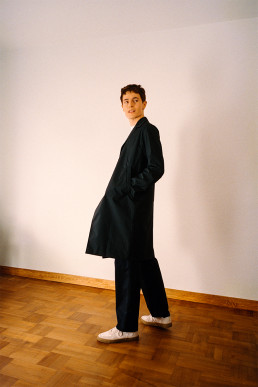
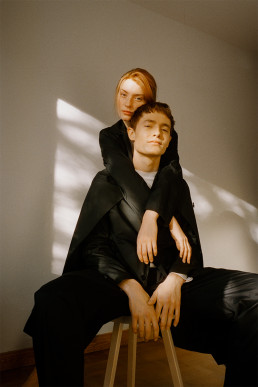
The Filippa K ‚Front Runners‘ series is the result of a cooperation project between the Centre for Circular Design of the University of Arts London (UAL) and the design research initiative Mistra Future Fashion . Within the framework of the research topic "Circular Design Speeds: prototyping fast and slow sustainable fashion concepts through interdisciplinary design research“ prototypes with improved production processes were developed, which enable circularity for both 'fast' and 'slow' user periods. Here, ‚fast’ garments such as the white ‚Throw Away’ dress are designed for the biological cycle. ‚Slow‘ pieces such as the black ‚Eternal’ trench coat are made for the technical cycle.
Aim of the design research is both to challenge established understanding of best practice in sustainability and circularity but also to present alternative visions for consideration, in order to solve the complex problem of making our fashion system circular. Academics from various disciplines in the fields of supply, recycling and user behavior were involved in order to find collaborative ways to work towards a systemic change in the fashion industry.
Fast 'Throw Away' Dress – beige
For the biological cycle.
100% bio-based and biodegradable after short term use.
Fleece-like Tencel 'Mogul', which omits expensive and energy-intensive production steps such as spinning and weaving. Naturally dyed from waste food from the ‘Heart and Earth Production’.
Slow 'Eternal' Trench coat – black
For the technical cycle.
100% recycled and recyclable materials from rPET of plastic bottles.
The We aRe SpinDye® dyeing process produces long-lasting colors and reduces water consumption by 75% and chemical substances by 90%.


Uns begegnen stets neue nachhaltige und kreislauffähige Konzepte, die zeigen, wie Qualität, Innovation und Schönheit zu einer umweltfreundlicheren sowie ästhetisch und kulturell reichhaltigeren Mode führen können. Mit “Beneficial Discoveries“ stellen wir daher ausgewählte Modedesigner, Marken und Produkte vor, die erste Ansätze für eine bessere Zukunft liefern. Der Showcase ist eine digitale Weiterführung unserer Ausstellung "How to make fashion of the future environmentally sound", welche Anfang 2020 im Bundesumweltministerium stattgefunden hat.
ALL GOOD(S) - New Materials for a Future Circular Economy
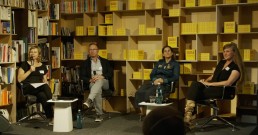
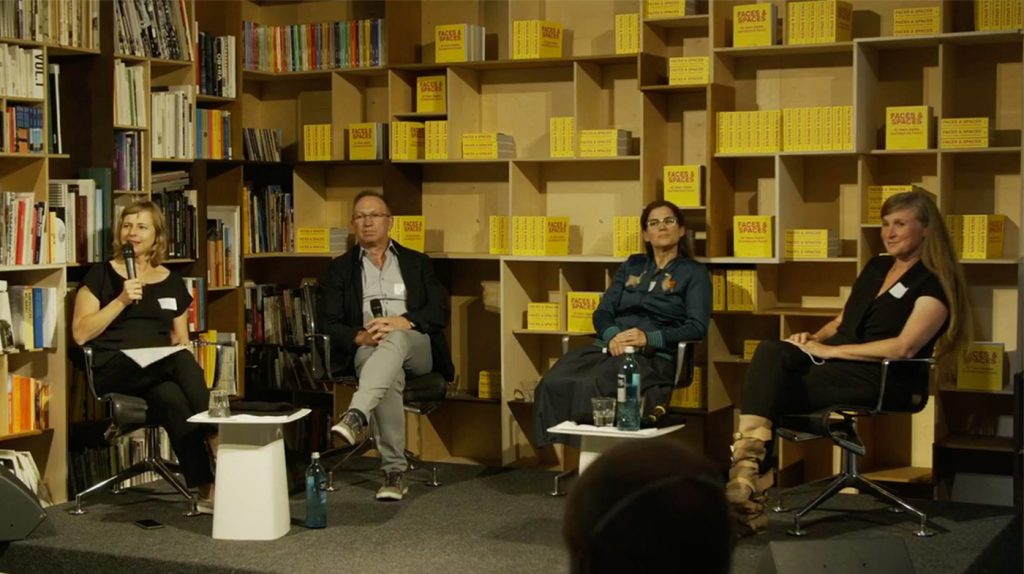
Am Mittwoch, den 9. September nahm unsere Direktorin Friederike von Wedel-Parlow als Gastsprecherin an der Veranstaltung "ALL GOOD(S) - New Materials in Architecture, Design and Fashion for a Future Circular Economy" at the Aedes Metropolitan Laboratory (ANCB) as a guest speaker. There she spoke about the need to define measurable evaluation criteria for positive impact in order to promote the holistic and sustainable design of products and make their value tangible.
In Zusammenarbeit mit der Niederländischen Botschaft in Berlin konzipierte das Aedes Metropolitan Laboratory (ANCB) ein Programm über niederländische und deutsche Innovationen in der Materialgestaltung - unter Berücksichtigung von Rohstoffen, Techniken und Nutzung - um eine nachhaltige und zirkuläre Wirtschaft in der Zukunft zu ermöglichen. Das Programm unterstützt den Wissensaustausch und neue Verbindungen zwischen Disziplinen, sowie zwischen niederländischen und deutschen Akteuren. Der Eröffnungs-Laborvortrag zielte darauf ab, ein breites Spektrum von Innovationen in der Materialentwicklung zu erkunden.
To the video of the event
FCG-Webinar: POSITIVE IMPACT
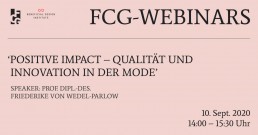
Wir freuen uns bekannt zu geben, dass unsere Gründerin & Direktorin Prof. Friederike von Wedel-Parlow vom Fashion Council Germany eingeladen wurde, am 10. September 2020 um 14 Uhr (MEZ) einen Vortrag zum Thema 'POSITIVE IMPACT - QUALITÄT UND INNOVATION IN DER MODE' zu halten.
The webinar will have a presentation and an interactive Q&A part.
Click here to register.
More details about the webinar on our Facebook event..

VRETENA Circular Design
VRETENA Circular Design
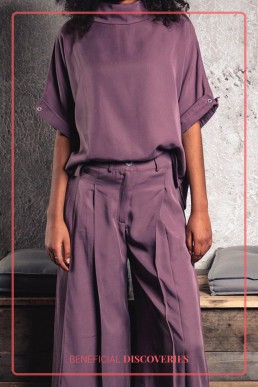
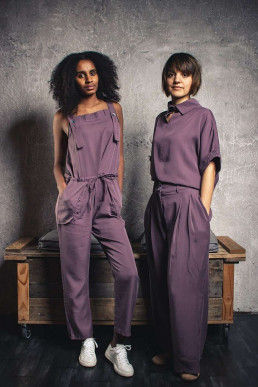
Vretena follows an integrated approach to circularity. With nature in mind as the ultimate source of inspiration, Vretena strives to create high quality garments that are designed, manufactured and consumed with a sense of circularity and environmental responsibility .
All models are therefore given an individual circularity.ID® to enable and support the circularity, durability and recycling of garments. Threads consist of the 100% cellulosic fiber Tencel ™ . The dyeing process follows the strict guidelines of Cradle to Cradle® Gold.
„Our first capsule collection is intended to circulate. All materials and trims are carefully selected to fit one or several recyclers. The styles are universally designed to complement each other as well as to complement your personal style.“ – VRETENA
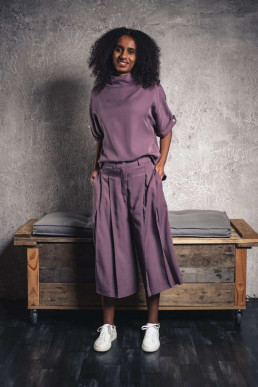
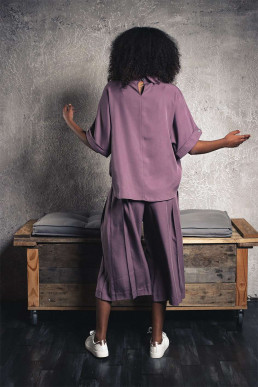
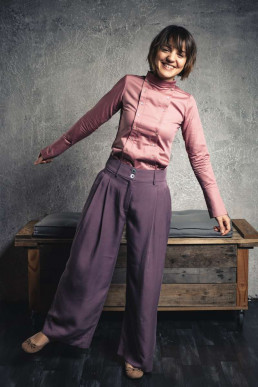
Photos: Vretena
Uns begegnen stets neue nachhaltige und kreislauffähige Konzepte, die zeigen, wie Qualität, Innovation und Schönheit zu einer umweltfreundlicheren sowie ästhetisch und kulturell reichhaltigeren Mode führen können. Mit “Beneficial Discoveries“ stellen wir daher ausgewählte Modedesigner, Marken und Produkte vor, die erste Ansätze für eine bessere Zukunft liefern. Der Showcase ist eine digitale Weiterführung unserer Ausstellung "How to make fashion of the future environmentally sound", welche Anfang 2020 im Bundesumweltministerium stattgefunden hat.